

Articles
September 11, 2026

Articles

The POSEIDON project aims to strengthen cybersecurity for people and organisations across Europe by supporting the move towards post-quantum cryptography. It may sound like science fiction, but the shift is becoming a practical necessity as technology evolves. In this article, we explain the basics—what quantum computing is, why it can threaten today’s online security, and what “quantum-safe” cryptography means for everyday digital life.
Most computers work like very fast calculators: they try possibilities one by one. Quantum computers work differently. They use quantum bits that can handle information in a new way, which can speed up certain calculations by exploring many possibilities at once. This matters because some of those calculations are closely linked to the maths that protects today’s encrypted connections.
A lot of cybersecurity relies on encryption methods such as RSA* and ECC** (common techniques used to secure websites, apps, and digital signatures). They are trusted because, for classical computers, breaking them would take an unrealistic amount of time. But a sufficiently powerful quantum computer could do this much faster—potentially allowing attackers to read protected data, forge digital signatures (prove a message or document is genuine and unchanged), or impersonate trusted organisations.
And it’s not only about future attacks on live systems. There is also a “Harvest Now, Decrypt Later” risk: data stolen today can be stored and decrypted later, once quantum capabilities mature. That is particularly worrying for long-lived information such as medical records, government files, legal documents, and industrial secrets—areas where Europe needs security that lasts years, not just months. Preparing early gives public services, businesses, and citizens time to upgrade safely, rather than rushing after a crisis.
A clear example of where this matters is digital identity. It is becoming central to everyday life in Europe—from accessing public services and signing documents to using banking apps and proving who you are online. These systems depend heavily on cryptography to protect logins, credentials, and digital signatures, which makes them a priority for quantum-ready protection.
If today’s protections are weakened in the future, attackers could impersonate people or organisations, misuse valid credentials, or tamper with signed digital documents. The long-term risk is similar too: sensitive identity data and encrypted records captured today could be stored and decoded later. Keeping digital identities trustworthy over time supports secure cross-border services and builds confidence as Europe expands digital public services and the wider digital economy.
To be ready for the quantum era, we need post-quantum cryptography (PQC): a new generation of encryption designed to remain secure even if large-scale quantum computers arrive. In simple terms, PQC replaces today’s “hard-to-crack” maths (used in RSA and ECC) with different mathematical problems believed to resist quantum attacks. The goal is the same everyday protection—private messages, safe online payments, trusted digital signatures—but with stronger foundations for the future.
Because no single change can happen overnight, two ideas matter. Crypto-agility means systems are built so they can update or swap cryptographic algorithms quickly and safely, without breaking services. Hybridisation means using classical cryptography and PQC together for a period of time, so even if one layer becomes weak, the other still protects users. This approach helps Europe transition step by step, reducing risk while new standards and tools are rolled out.
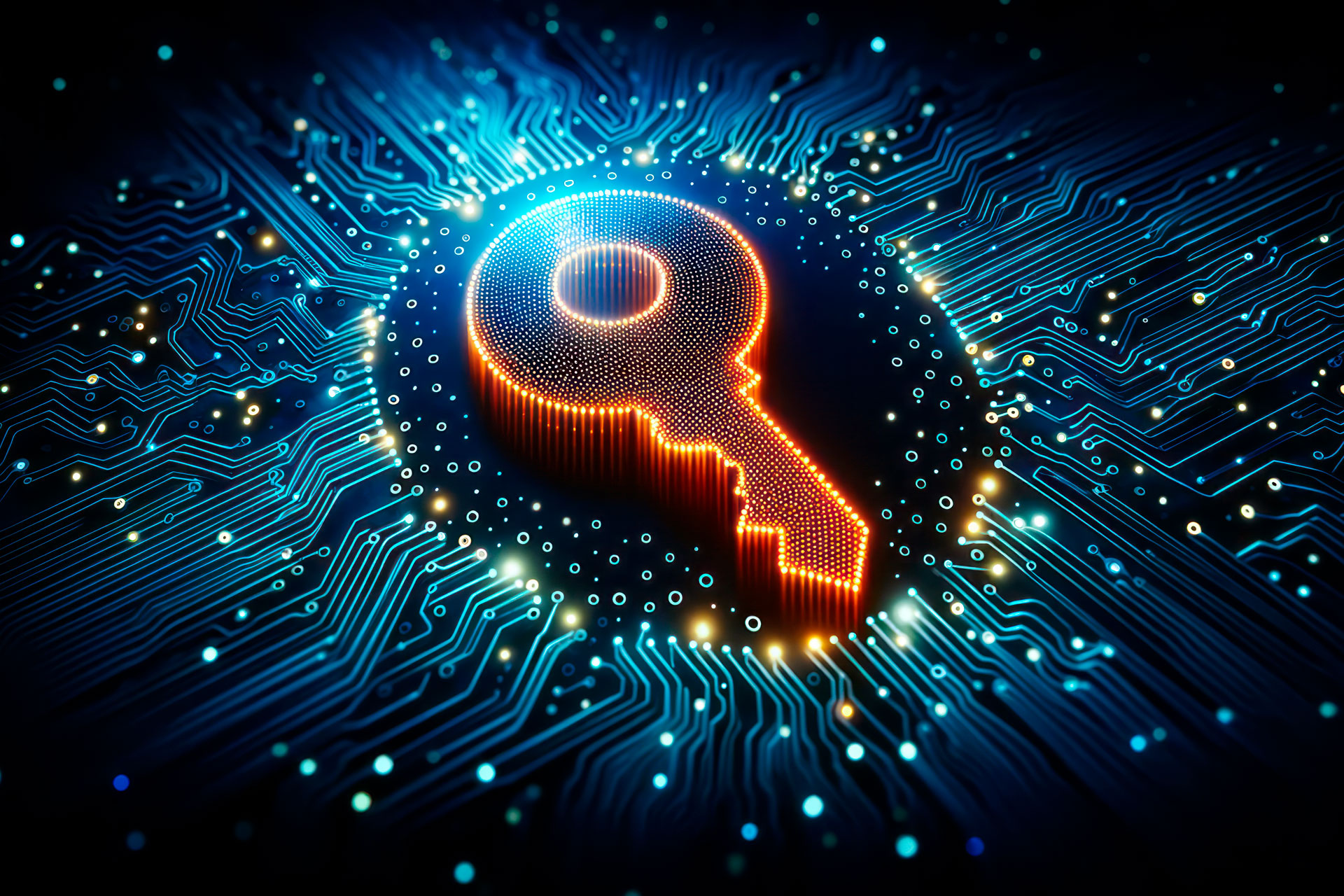
Post-quantum cryptography (PQC) is a new generation of encryption designed to remain secure if large-scale quantum computers arrive
That is exactly where POSEIDON comes in. The project is helping the EU prepare for a secure transition from today’s cryptography to post-quantum solutions—especially in areas where trust matters most, such as digital identity. By supporting quantum-ready approaches like crypto-agility and hybrid security, POSEIDON aims to strengthen resilience across European services and protect citizens, businesses, and institutions as the digital society grows.
Want to learn more? Visit our About page to see what we are building, and head to the News section for updates and milestones. You can also subscribe to our newsletter to stay informed, and follow our LinkedIn channel for the latest posts and project highlights.

Lukasz Kielban
Polish Platform for Homeland Security
*RSA is a common encryption method that keeps data and online connections secure. It works by using a public key to encrypt information and a private key to decrypt it, and it stays safe today because cracking it would take ordinary computers an impractically long time.
**ECC (Elliptic Curve Cryptography) is a modern way to secure data and prove identity online. It provides similar security to RSA but with much smaller keys, making it faster and well suited for mobiles, smart cards, and many secure websites.
Articles
Updates
Updates
Updates

Articles
Articles
Updates

Legislation, Updates